
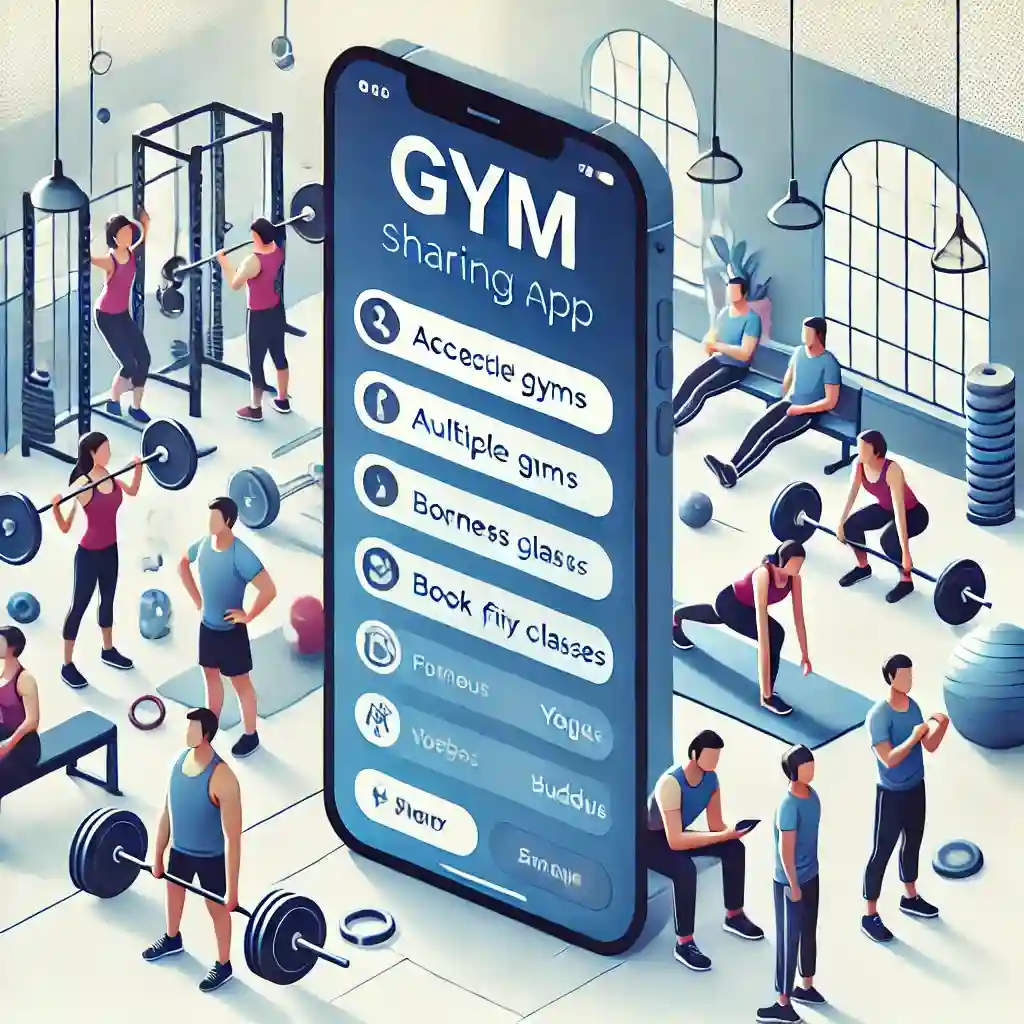
The global fitness industry is undergoing a seismic transformation driven by changing consumer behaviors, remote work trends, and a growing demand for financial flexibility. Traditional gym business models—built around rigid, long-term annual contracts and recurring monthly fees—are increasingly clashing with modern lifestyles. Today’s fitness enthusiasts prioritize variety, mobility, and pay-as-you-go convenience over being tethered to a single brick-and-mortar facility.
This market shift has paved the way for gym sharing apps—digital platforms that connect users with underutilized fitness facilities, commercial clubs, boutique studios, and private home gyms on an on-demand, flexible basis. Operating much like Airbnb or Uber does for real estate and transportation, fitness sharing platforms democratize access to exercise space. Users can discover, reserve, and pay for gym sessions by the hour, day, or individual class without signing long-term agreements or paying upfront initiation fees.
This comprehensive guide explores the mechanics, architecture, business models, user benefits, host opportunities, and technological innovations powering the modern gym sharing ecosystem.
Executive Summary: A gym sharing app is an on-demand mobile platform that enables fitness seekers to book gym access, studio classes, or private workout spaces on a pay-per-use basis. By leveraging real-time geolocation, contactless mobile entry, dynamic pricing, and peer-to-peer sharing, these apps help gym owners monetize off-peak capacity while offering athletes uncompromised flexibility.
1. Understanding the Concept: What is Gym Sharing?
Gym sharing is a collaborative consumption framework applied to physical health and exercise infrastructure. In a standard commercial gym environment, facilities experience severe traffic volatility. Equipment and floor space sit idle during non-peak daytime hours (10:00 AM to 4:00 PM), while experiencing extreme congestion during morning and evening rush hours. Meanwhile, thousands of homeowners own well-equipped garage or basement gyms that remain unused for 90% of the day.
A gym sharing app serves as a two-sided (or three-sided) marketplace that monetizes this surplus capacity. It matches individuals looking for immediate, commitment-free workout facilities with hosts or gym operators looking to maximize asset utilization.
The platform operates on three foundational principles:
- On-Demand Accessibility: Users locate nearby available exercise locations using mobile GPS and instantly reserve time slots.
- Pay-As-You-Go Economics: Users pay strictly for the time or sessions they consume, avoiding monthly overheads.
- Decentralized Fitness Choice: Individuals can lift weights at a strength club on Monday, attend a Pilates reformer class on Wednesday, and rent a private home gym for focus sessions on Saturday.
2. The Three Stakeholders of the Gym Sharing Ecosystem
To fully understand how a gym sharing app operates, it is necessary to examine the platform from the perspective of its primary user segments:
A. The Fitness Seeker (Consumer)
For consumers, the app acts as a digital key to the fitness world. Whether traveling for business, avoiding crowded public gyms, or testing different training disciplines, consumers use the application to search facilities, filter amenities (e.g., squat racks, saunas, cold plunges, swimming pools), read verified host reviews, book hourly passes, and unlock physical doors via QR codes or Bluetooth.
B. The Facility Host (Commercial Gyms & Private Owners)
Facility owners use the app to list their physical assets. Commercial fitness centers integrate their existing access control software to sell day passes or off-peak hourly access. Private hosts—individuals with residential home gyms, dedicated powerlifting setups, or private studios—list their spaces to turn fitness equipment investments into recurring passive income. Hosts maintain control over pricing, hourly slot availability, house rules, and guest caps.
C. Personal Trainers & Fitness Coaches
Independent trainers often struggle with commercial gym facility fees, which can take up to 50% to 70% of client billing, or require expensive ongoing monthly floor rent. Gym sharing platforms allow independent coaches to rent fully equipped private studios or commercial facilities by the hour solely when training clients. This overhead-free setup boosts profitability and provides clients with clean, quiet, and specialized training environments.
3. Key Core Features of a Modern Gym Sharing App
A top-tier gym sharing platform relies on sophisticated mobile hardware integration, location services, and security tools. Essential functionality includes:
1. Location-Based GPS Search & Advanced Filtering
Integrated interactive maps allow users to search for workout options within a custom radius. Dynamic filter tags enable precise searches by specific equipment (e.g., Olympic bumper plates, Eleiko bars, Rogue rigs), specific amenities (steam rooms, infrared saunas, chalk-friendly zones), or facility type (commercial health club, private garage gym, boutique yoga studio).
2. Real-Time Availability & Crowd Capacity Indicators
To prevent overbooking and long lines at popular equipment, modern apps display live occupancy metrics. Users can check whether a facility is at 20% or 85% capacity before heading out. Private gym listings rely on strict calendar booking systems that prevent overlapping reservations.
3. Contactless Keyless Entry (NFC & QR Code Sync)
Physical front desks and keys can create access bottlenecks. Leading fitness sharing platforms use secure IoT lock integrations. Once a user’s reservation time arrives, the app generates a dynamic encrypted QR code or Bluetooth token that grants automated entry through turnstiles, smart door handles, or electronic keypads.
4. In-App Payments & Micro-Transactions
Integrated payment gateways process seamless transactions using Apple Pay, Google Pay, credit cards, or platform-native credit tokens. Micro-transactions cover per-minute billing, hourly reservations, add-on towel service, or personal coaching add-ons.
5. Peer Community, Ratings & Verification Protocols
Trust is crucial in sharing-economy applications. Dual-sided review systems allow gym-goers to rate equipment cleanliness, atmosphere, and host communication, while enabling hosts to rate guest courtesy and equipment maintenance. Identity verification protocols (ID scanning and background checks) ensure safety for residential host setups.
4. Primary Models of Gym Sharing Applications
The fitness sharing industry features several distinct platform architectures designed for different workout needs:
| Model Type | Operational Focus | Ideal User Profile | Pricing Structure |
|---|---|---|---|
| Peer-to-Peer (P2P) Private Gyms | Rent private residential home gyms or fully equipped private training spaces. | Introverts avoiding crowds, content creators, personal trainers. | Hourly rental rate ($15 – $50/hour). |
| Commercial Multi-Gym Aggregators | Network access across hundreds of commercial fitness clubs and chains. | Frequent business travelers, digital nomads, location-independent workers. | Pay-per-visit pass or dynamic credit packages. |
| Boutique Studio Booking Apps | Aggregates boutique fitness classes (Spinning, Reformer Pilates, Boxing, HIIT). | Class lovers seeking workout variety without individual studio memberships. | Tiered monthly credit subscription plan. |
| Corporate Fitness Sharing Networks | Employer-sponsored fitness networks providing staff flexible multi-facility access. | Corporate employees participating in employer wellness plans. | Subsidized corporate membership tiers. |
5. Strategic Advantages: Why Users are Moving to Gym Sharing
The swift rise of gym sharing applications is propelled by distinct operational advantages that contrast with legacy fitness models:
A. Total Financial Freedom & Zero Cancellation Hassles
Traditional health clubs often rely on long-term annual contracts with complicated, multi-step cancellation policies. Gym sharing platforms eliminate these commitments completely. Users are billed strictly for the time or sessions they choose to purchase. If an athlete takes a month-long break or travels, their fitness expenses naturally drop to zero.
B. Unmatched Variety and Training Specialization
Single gym memberships often force athletes to settle for compromise setups—such as a gym with excellent cardio equipment but no heavy lifting platforms, or vice versa. With gym sharing, an athlete can customize their training schedule freely:
- Heavy Strength Days: Book a specialized powerlifting or strongman gym equipped with calibrated steel plates and specialized bars.
- Recovery Days: Reserve a hour at a wellness club offering infrared saunas, cold plunge pools, and hyperbaric chambers.
- Privacy Days: Rent a private garage or basement gym to shoot social media content or focus on training without interruptions or waiting for equipment.
C. Overcoming “Gymtimidation”
For beginners or individuals recovering from injury, crowded commercial gyms can feel overwhelming. Peer-to-peer gym sharing applications allow users to reserve private workout facilities where they can exercise in complete comfort and privacy, learning movement patterns at their own pace without distraction.
6. Benefits for Gym Operators & Private Space Hosts
While consumer benefits are clear, gym sharing platforms also provide valuable revenue growth opportunities for hosts and facility operators:
1. Off-Peak Asset Monetization
Commercial gym facilities pay fixed overhead costs (rent, utilities, insurance, maintenance) regardless of how many members are on the floor. Opening up underutilized off-peak hours (e.g., 11:00 AM – 3:00 PM) to pay-per-use app users generates direct, high-margin revenue without crowding full-time members during peak hours.
2. Zero-CAC (Customer Acquisition Cost) Lead Generation
Every pay-per-use visitor who walks through the doors via a gym sharing app is a qualified prospect. If an app user enjoys the facility experience, they may eventually convert into a full-time monthly member or purchase personal training services onsite.
3. Turning Personal Home Gyms into Income Generators
High-end residential fitness equipment can require significant financial investment. P2P fitness platforms allow fitness enthusiasts to turn these personal investments into cash-flowing assets. By hosting local exercisers or independent coaches for 10 to 20 hours per week, hosts can easily cover equipment costs and ongoing maintenance.
7. Step-by-Step Guide: How to Get Started with Gym Sharing
Whether you want to find a workout space or monetizing an existing gym facility, here is a practical guide to getting started:
For Fitness Seekers (How to Book)
- Download & Profile Setup: Install a gym sharing app (e.g., Gymshare, ClassPass) and complete profile verification.
- Explore & Filter: Set location parameters, filter by required equipment, check pricing, and review peak-time occupancy levels.
- Reserve Time Slot: Choose an hourly pass or specific class session and confirm payment through the integrated digital wallet.
- Seamless Check-In: Arrive at the facility, scan the app’s dynamic QR code at the smart door lock or front desk, and start your workout.
- Leave Feedback: Rate facility cleanliness, equipment quality, and host responsiveness to help maintain community standards.
For Gym Hosts & Owners (How to List)
- Account Creation: Register as a Host on your chosen gym sharing platform.
- Facility Details & Photography: Upload clear, high-resolution photos of your equipment, list available amenities, specify rules, and outline safety protocols.
- Smart Access Setup: Connect an app-compatible smart lock or integrate your commercial front-desk scanner for automated access control.
- Define Availability & Pricing: Set customized hourly rates, off-peak pricing, guest limits, and open calendar slots.
- Accept Bookings & Earn: Manage automated bookings, maintain equipment hygiene, and receive payouts directly to your linked bank account.
8. Safety, Insurance, and Risk Management
As with any sharing economy framework, sharing physical spaces involves safety, liability, and maintenance considerations. Leading applications address these concerns with structured security protocols:
- Comprehensive Commercial Liability Insurance: Reputable platforms offer protection policies covering host property damage and guest bodily injury during reserved sessions.
- Digital Liability Waivers: Before booking access, users sign electronically binding safety waivers covering proper equipment use and personal injury liability.
- Real-Time Monitoring Integration: Private host spaces often incorporate non-invasive security hardware (e.g., smart entrance monitors, noise sensors, external security cameras) to confirm entry times and ensure house rules are followed without compromising indoor privacy.
9. Future Trends Shaping the Fitness Sharing Economy
As mobile technology and connected equipment evolve, gym sharing apps are poised to introduce several advanced features:
A. AI-Driven Smart Scheduling & Dynamic Pricing
Similar to surge pricing in rideshare apps, machine learning algorithms will automatically adjust hourly gym rental rates based on local demand trends, weather conditions, historical traffic patterns, and real-time facility occupancy.
B. IoT Connected Equipment Synchronization
Future fitness sharing apps will link directly with connected strength machines and cardio equipment (e.g., smart treadmills, connected cable towers). When a user unlocks a facility through the app, machines will automatically adjust seat settings, weights, and workout metrics tailored to that user’s profile.
C. Corporate Wellness Network Expansion
As distributed and hybrid workforce models become standard, enterprise companies are moving away from single-city gym stipends in favor of global fitness sharing app credits. Employees can access local gyms wherever they are working on any given day.
Frequently Asked Questions (FAQs)
Pricing formats vary by platform. Common options include flat hourly rental rates (popular for private home gyms), single-day access passes, dynamic per-minute micro-billing, or monthly credit bundles usable across multiple venues.
Yes. Gym sharing platforms offer independent personal trainers an affordable alternative to paying high commercial gym fees. Coaches can reserve private studios or commercial facilities solely for their client’s scheduled training hour.
Reputable gym sharing platforms include host protection insurance policies and hold user security deposits. If equipment is damaged due to misuse, repair or replacement costs are covered under host protection terms.
No. Hosts provide complete lists of available equipment on their property page, including barbells, dumbbells, power racks, cardio machines, and resistance bands. Users simply bring their personal workout attire, water bottle, and towel.
Host verification processes, mandatory identity scanning, and user reviews help maintain high safety and cleanliness standards. Platforms require hosts to sanitize equipment regularly and provide cleaning products for guests.
Unstaffed or private facilities rely on smart access technology. The app generates a temporary Bluetooth token or dynamic QR code that unlocks smart entry doors during your confirmed reservation window.
10. Conclusion
Gym sharing applications are reshaping how people approach fitness accessibility. By offering a pay-as-you-go alternative to traditional memberships, these platforms deliver flexibility, cost control, and workout variety for fitness enthusiasts. At the same time, they enable gym owners and private hosts to convert idle space into a steady income stream.
Whether you are an athlete looking for flexible, lock-in-free workout access or a host interested in monetizing underutilized equipment, fitness sharing offers a modern, efficient approach to physical wellness.




Leave a Reply